Activated Carbon Guide
Technical guides for engineers, plant managers and buyers who are choosing or evaluating purification products.

Activated Carbon Guide
What Is Activated Carbon?
A plain-English introduction to the material, how it is made and how it removes impurities.
Read the guide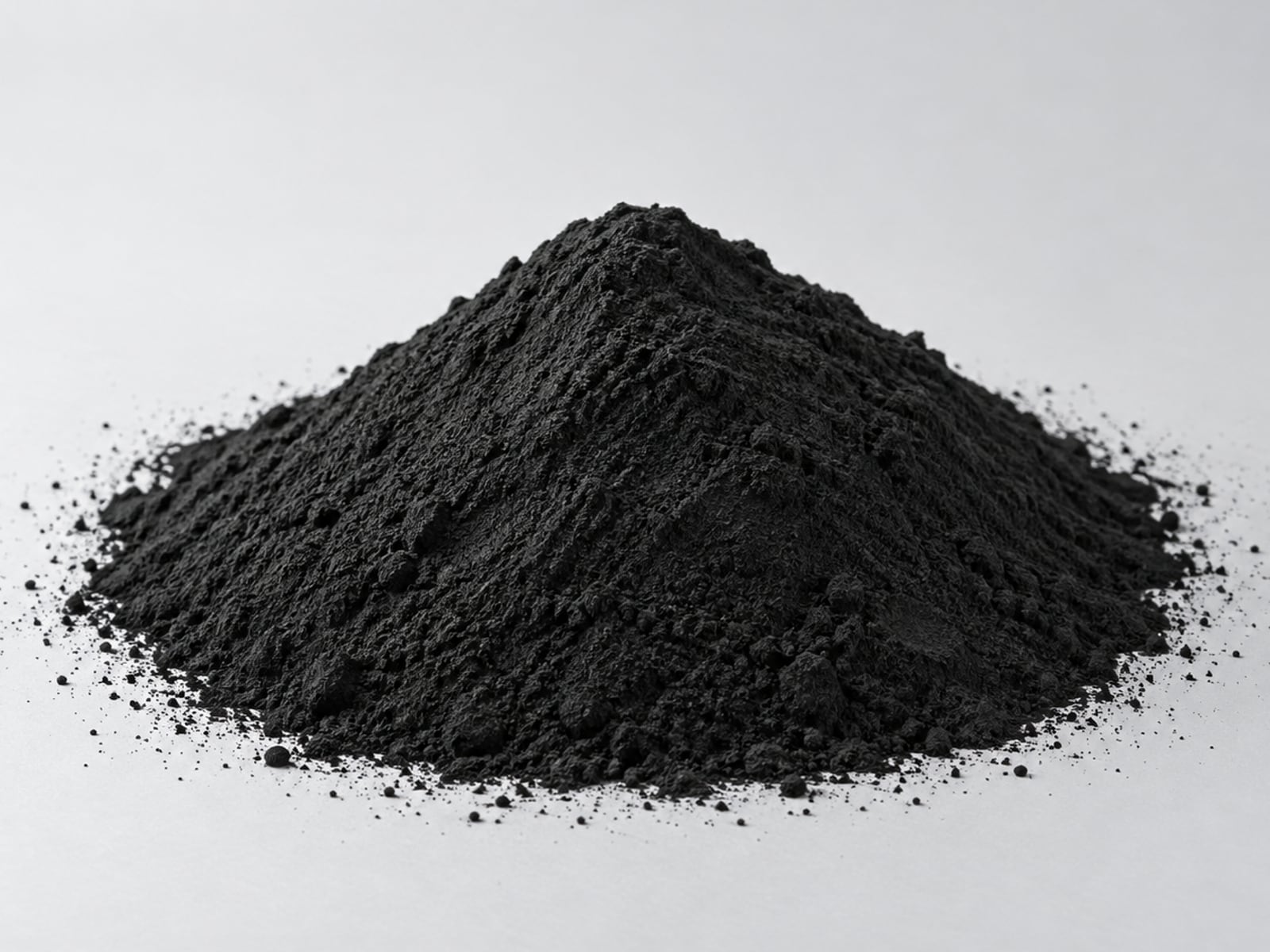
GAC vs PAC
GAC vs PAC: Choosing Between Granular and Powdered Activated Carbon
How the two forms differ, and how to decide which suits your process.
Read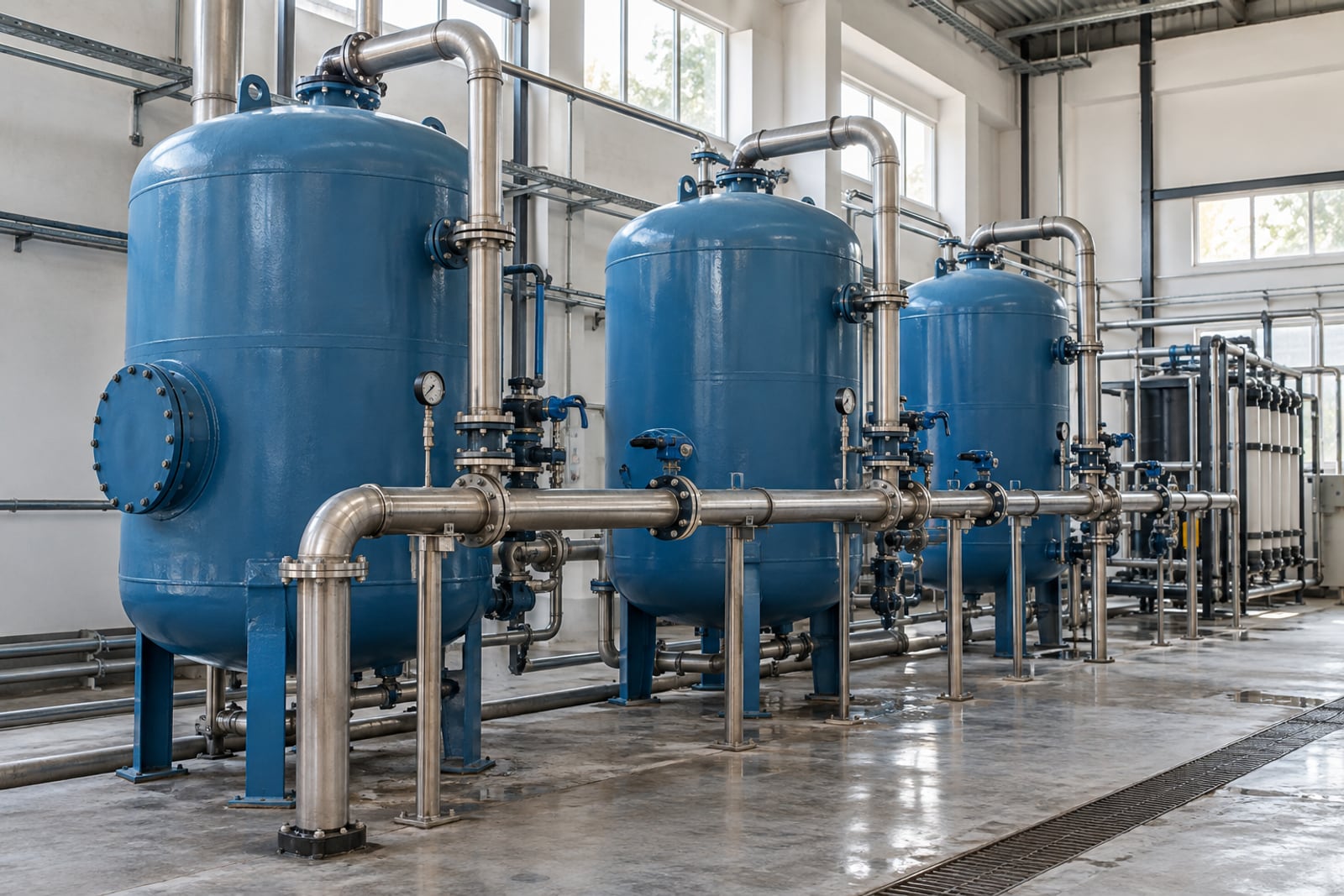
Activated Carbon Applications
Activated Carbon for Water Treatment
What activated carbon removes from water, and how GAC filters and PAC dosing are used.
Read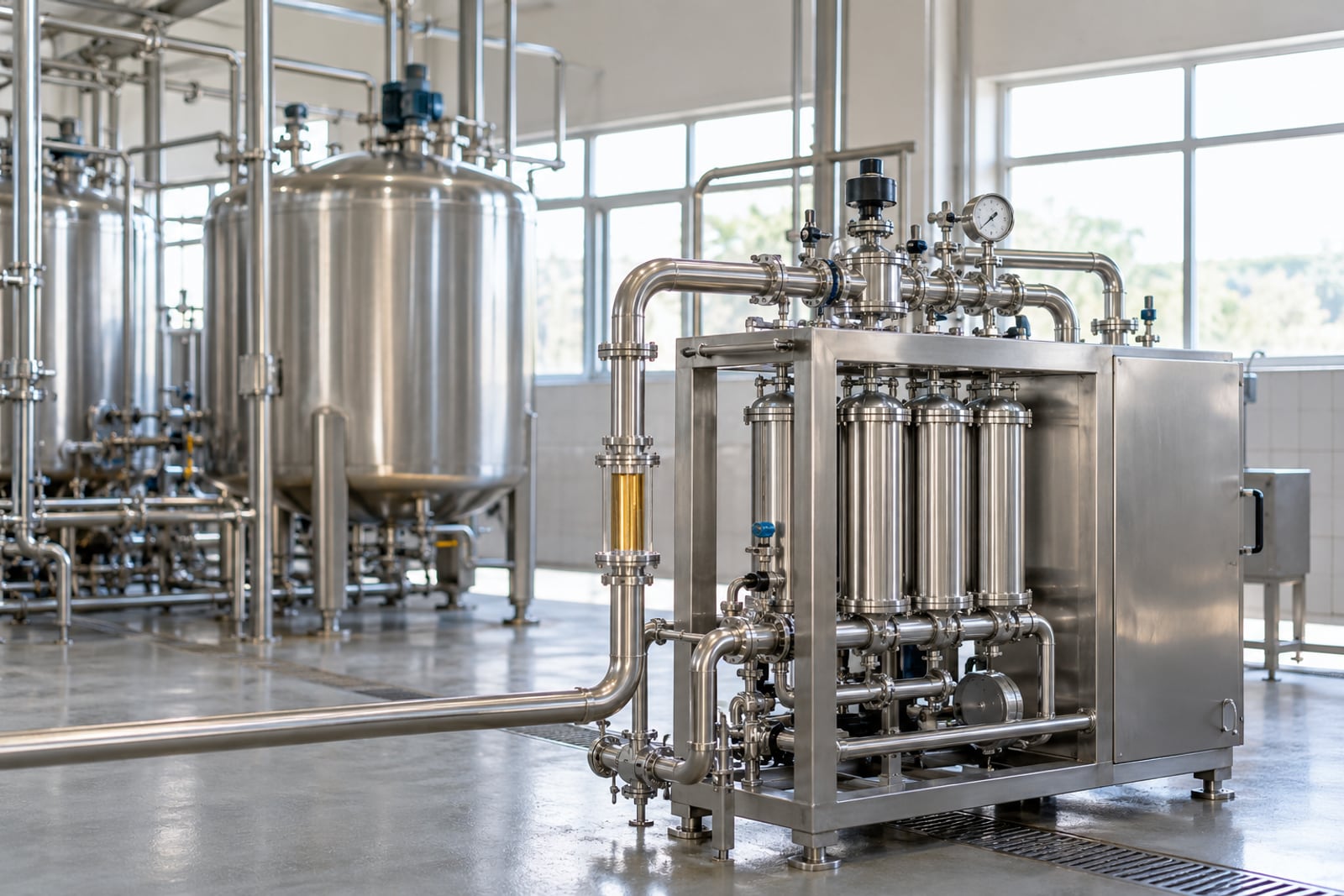
Activated Carbon Applications
Activated Carbon in Pharmaceutical and Bulk Drug Processing
How carbon treatment and filtration fit into API and intermediate manufacture.
Read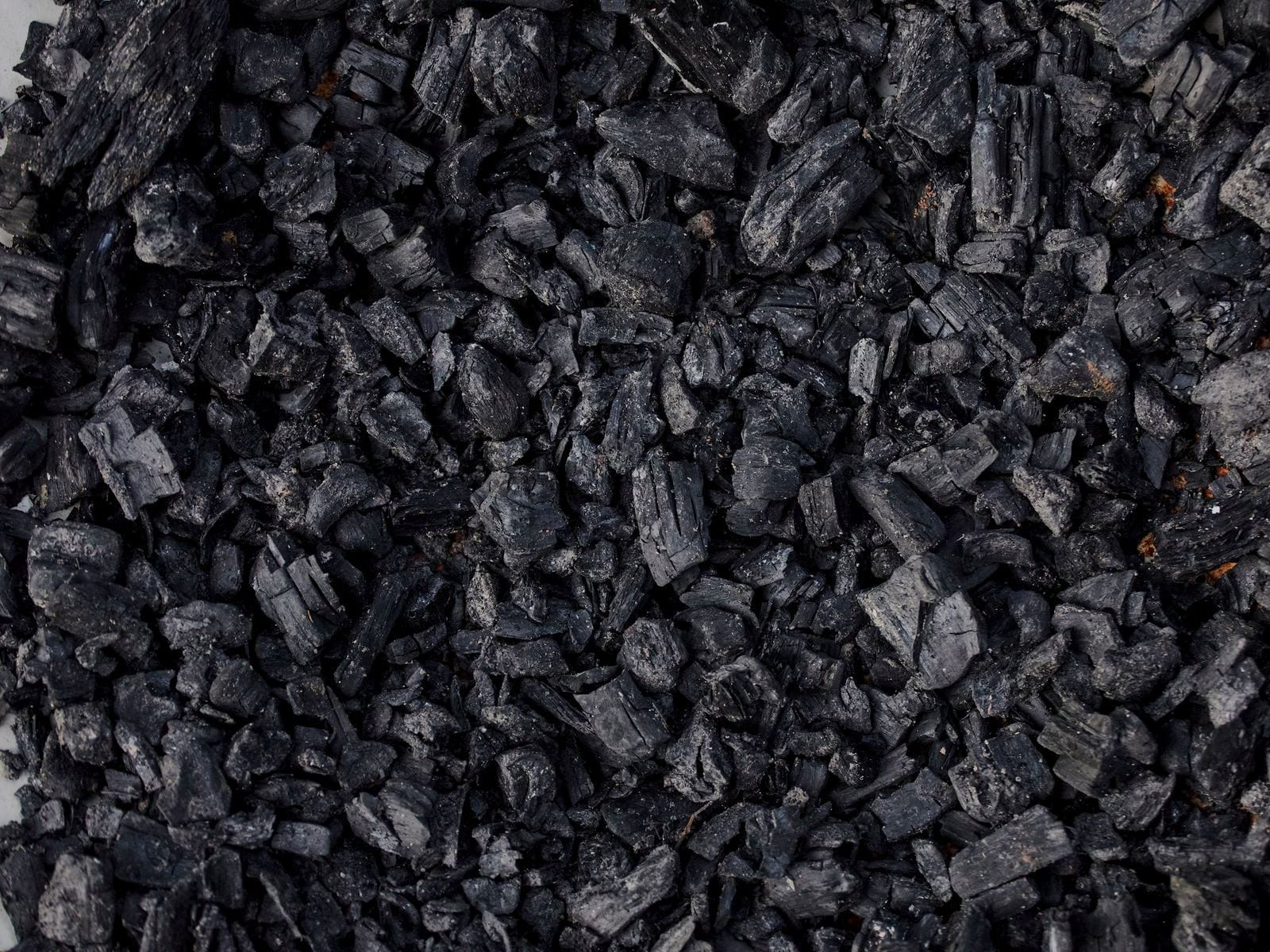
Choosing Activated Carbon
Choosing Activated Carbon for Your Application
The questions to ask and the data sheet parameters that matter.
Read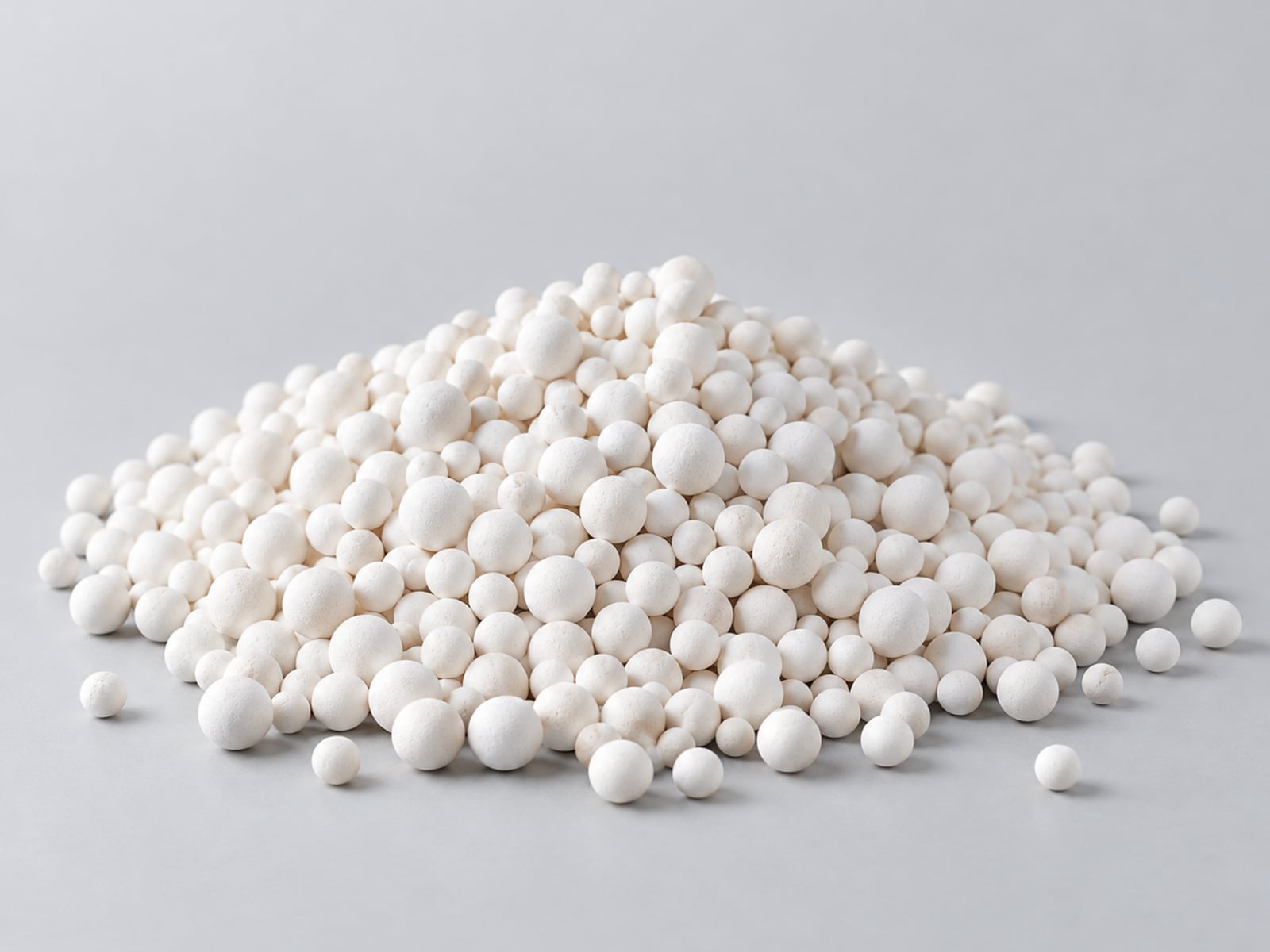
Activated Alumina vs Activated Carbon
Activated Alumina vs Activated Carbon
How the two adsorbents differ in chemistry, typical uses and regeneration.
Read


Glossary
Technical terms, defined plainly
Iodine value, methylene blue value, mesh size, EBCT, breakthrough, dew point and more.
How activated carbon removes impurities
Activated carbon is full of microscopic pores. Dissolved organic molecules are attracted to the pore walls and held there while the liquid moves on. This is adsorption.
Activated carbon is most effective on organic compounds and chlorine. It is not designed to remove most dissolved salts or minerals, which need other treatment steps.
Technical questions about activated carbon
What is activated carbon?
Activated carbon is a carbon material processed to develop an extensive network of internal pores. That pore structure gives it a very large internal surface, where dissolved organic compounds and other impurities are held by adsorption. It is made from carbon-rich raw materials such as coconut shell, coal or wood.
What is the difference between GAC and PAC?
Granular activated carbon (GAC) is sized into granules and used in filter beds that liquid or gas flows through, which suits continuous treatment. Powdered activated carbon (PAC) is a fine powder dosed directly into a liquid and removed afterwards by settling or filtration, which suits batch or intermittent treatment.
Where is activated carbon used?
Common uses include drinking water and effluent treatment, decolourisation and purification in pharmaceutical and bulk drug manufacture, purification in food, sugar and edible oil processing, and air and gas purification.
Which activated carbon is suitable for water treatment?
It depends on what you need to remove and how your plant is set up. GAC is typically used in filter vessels for continuous treatment; PAC is dosed when needed, for example during seasonal taste and odour problems. Share your water quality and system details and we will suggest suitable grades.
What industries use activated carbon?
Water treatment, pharmaceuticals, bulk drugs, food and agro processing, dairy, chemicals, and air and gas purification are among the main users.
How do I choose the right grade?
Start with what needs removing, whether the process is continuous or batch, and the equipment you use. Grades are then compared on parameters such as particle size, iodine value, methylene blue value, ash, moisture and pH. We can help narrow the options for your application.
What packaging options are available?
Packaging depends on the product and quantity, and is confirmed with each quote.
How can I request technical information?
Send an enquiry with the product and your application. Technical data for the relevant grade is shared on request.

Looking for the Right Purification Solution?
Tell us about your application and requirements. Our team will help you identify the appropriate product for your needs.