
Industry
Water Treatment
Water treatment is one of the most established uses of activated carbon. Filters and dosing systems rely on it to remove organic compounds, residual chlorine, taste, odour and colour.
Quick answer
How is activated carbon used in water treatment?
Activated carbon removes dissolved organic compounds, residual chlorine, taste, odour and colour from water. Granular carbon is used in filter vessels for continuous treatment, and powdered carbon is dosed ahead of clarification when problems are intermittent. Hydrated lime corrects pH and activated alumina reduces fluoride.
Where our products fit in a water treatment plant
The highlighted stages are where our products are used. Select a product for its technical details.
Common problems and how they are treated
Seasonal taste and odour
PAC dosing that can be started and adjusted when problems appear.
Organics and chlorine
GAC grades matched to your filter vessels and flow.
Corrosive, low pH water
Hydrated lime for pH correction and corrosion control.
Fluoride in groundwater
Activated alumina for defluoridation beds.
Products for water treatment
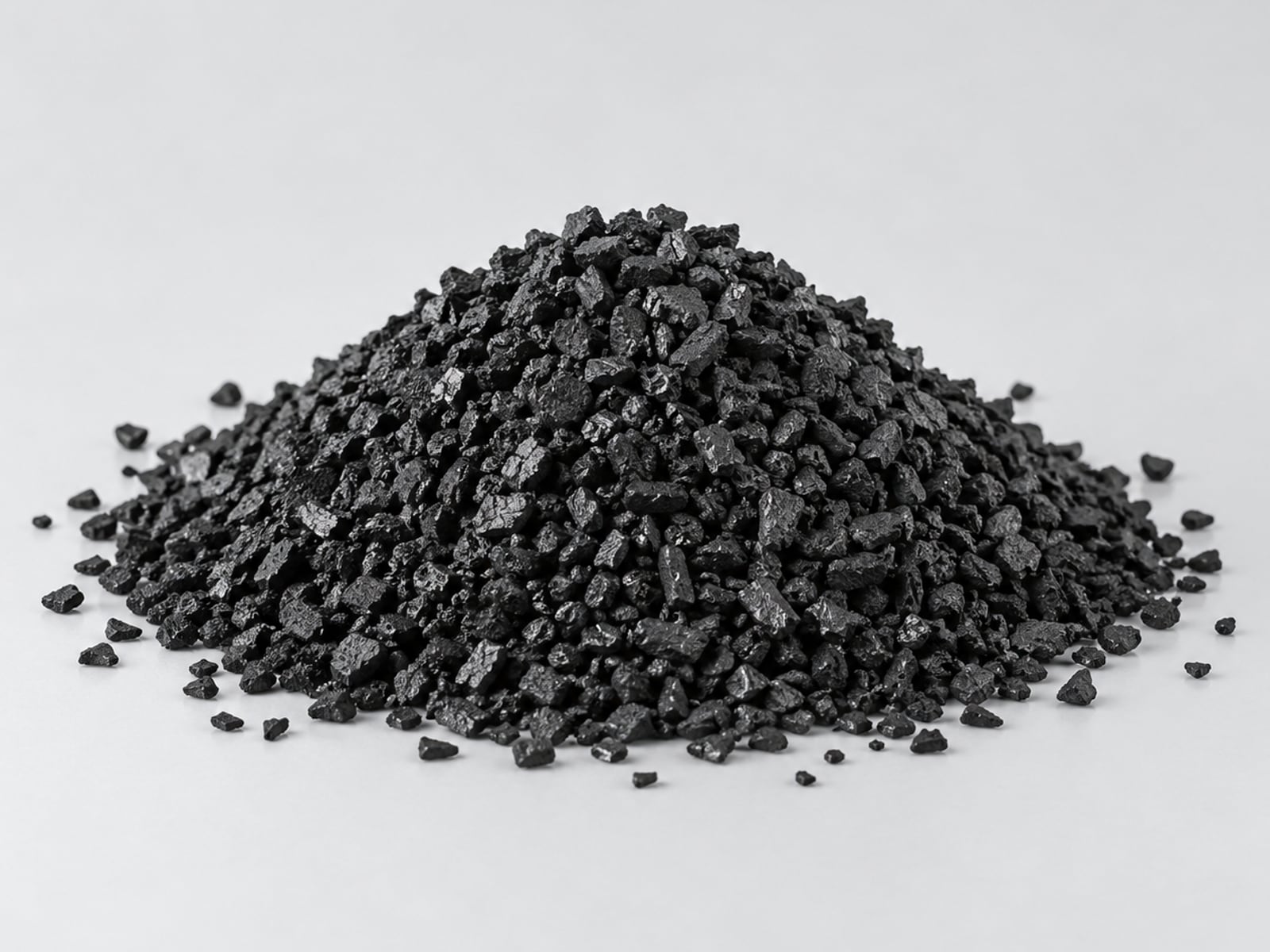
Granular Activated Carbon
Fixed carbon beds in pressure and gravity filters for continuous removal of organics, chlorine, taste and odour.
View product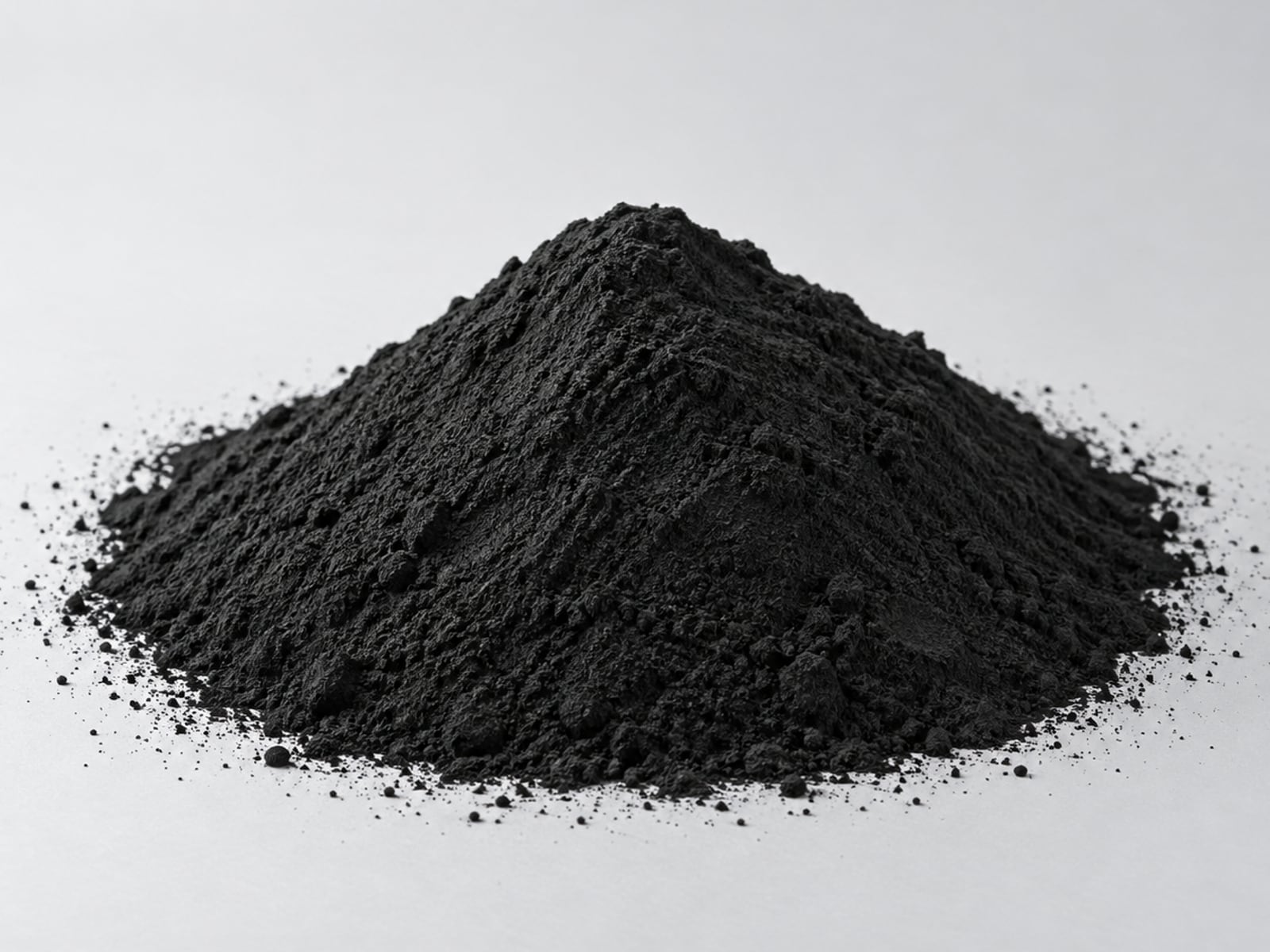
Powdered Activated Carbon
Powdered carbon dosed ahead of clarification when organic load, taste or odour rises.
View product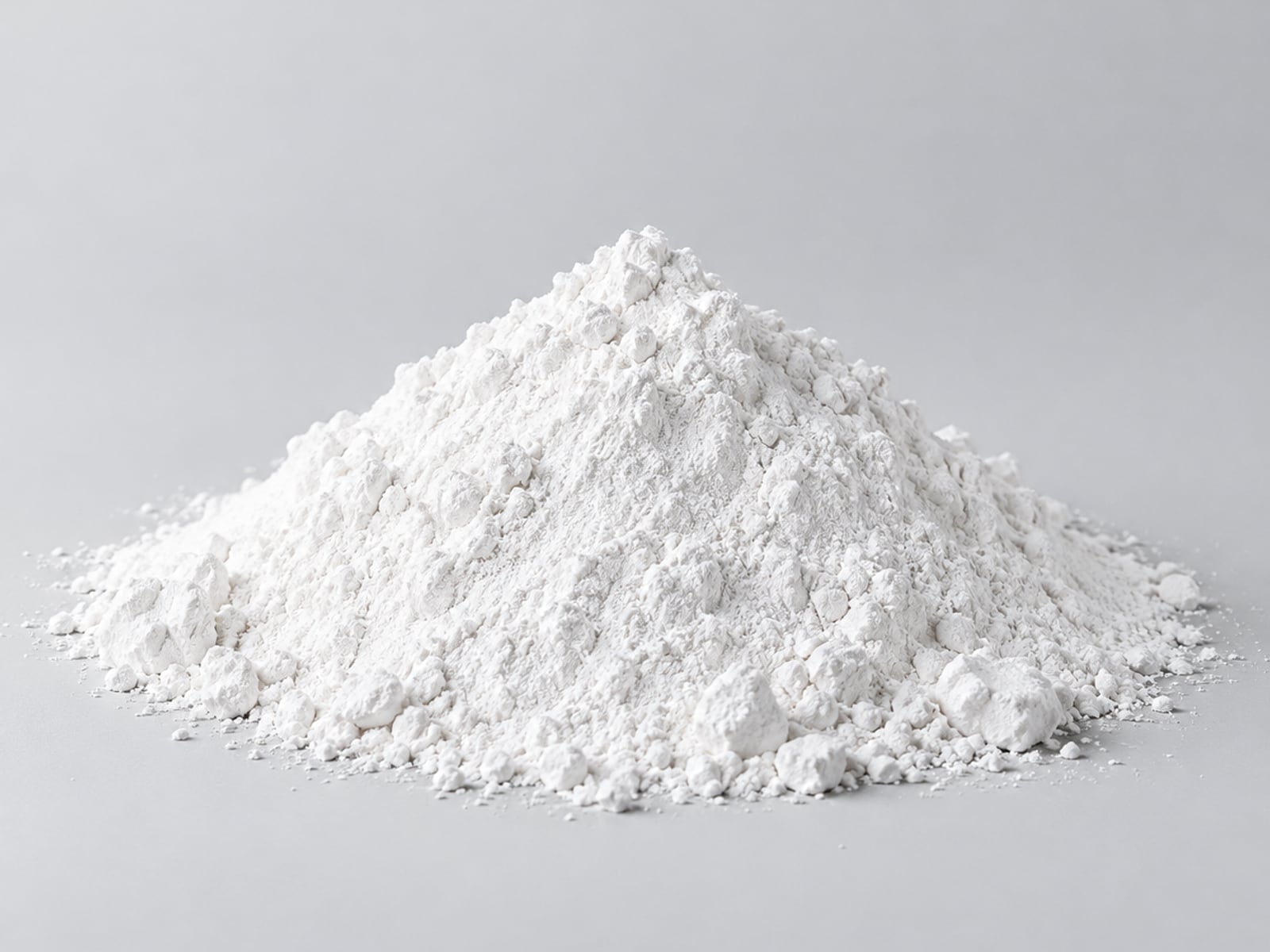
Hydrated Lime
Hydrated lime to correct pH, soften and reduce corrosiveness.
View product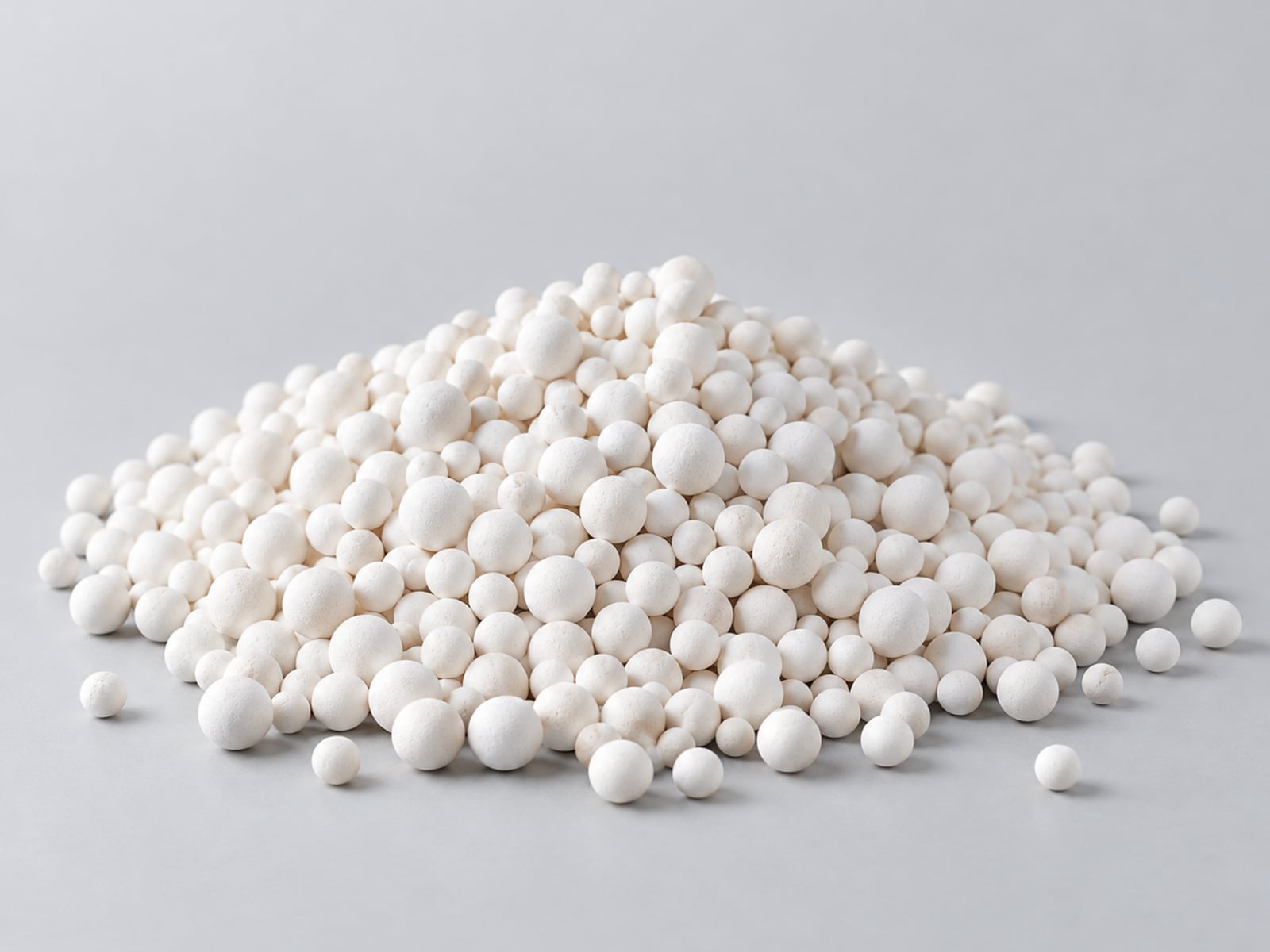
Activated Alumina
Activated alumina beds for reducing fluoride in drinking water.
View product


Water Treatment: common questions
Does activated carbon remove chlorine from water?
Yes. Activated carbon removes residual chlorine from water effectively, which is why carbon filters are often placed ahead of equipment that chlorine can damage, such as reverse osmosis membranes.
Does activated carbon remove hardness or dissolved salts?
No. Activated carbon does not remove hardness or most dissolved salts. Those need softening, ion exchange or membrane treatment. Lime softening is one way to reduce hardness.
How often does a GAC filter need replacing?
It depends on the water quality, the flow rate and what is being removed. Outlet quality is monitored, and the carbon is replaced or reactivated when impurities begin to break through.

Discuss your water treatment requirement
Tell us about your application and requirements. Our team will help you identify the appropriate product for your needs.


