
Core specialization
Activated Carbon
Activated carbon has been the core of our business since 1998. We supply it in two forms, granular (GAC) and powdered (PAC), each in multiple grades. This page explains how they differ and how to choose between them.
Quick answer
What is the difference between GAC and PAC?
Granular activated carbon (GAC) is used in a fixed bed that the liquid or gas flows through, which suits continuous treatment. Powdered activated carbon (PAC) is a fine powder mixed into the liquid and filtered out afterwards, which suits batch or intermittent treatment. Both remove impurities by adsorption; particle size decides the equipment and process.
Granular and powdered activated carbon

GAC
Granular Activated Carbon
Granular activated carbon is activated carbon sized into granules, typically loaded into a filter vessel or column. Water, process liquids or gases flow through the bed, and dissolved organic compounds are held on the carbon's internal surface.
Used in: Water Treatment, Pharmaceuticals, Bulk Drugs, Industrial Applications
Specifications and applications
PAC
Powdered Activated Carbon
Powdered activated carbon is activated carbon ground to a fine powder. It is mixed directly into a liquid, where its small particle size gives fast contact, and is then removed by settling or filtration.
Used in: Pharmaceuticals, Bulk Drugs, Water Treatment, Agro, Dairy
Specifications and applicationsHow granular and powdered carbon differ in use
Both forms work by adsorption. The difference is particle size, and that decides the equipment, the process and what happens to the carbon afterwards. Drag the divider to compare them.
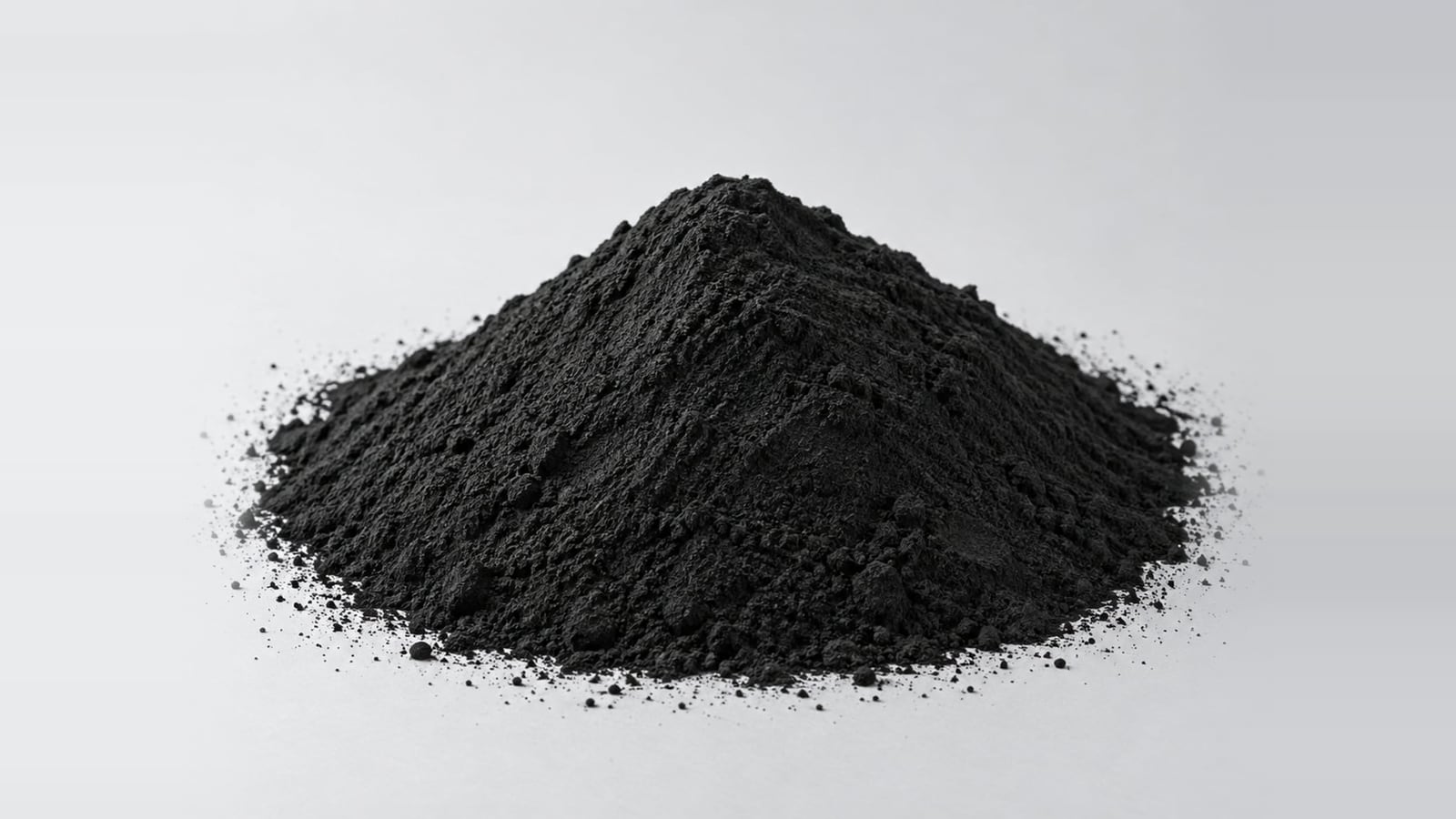
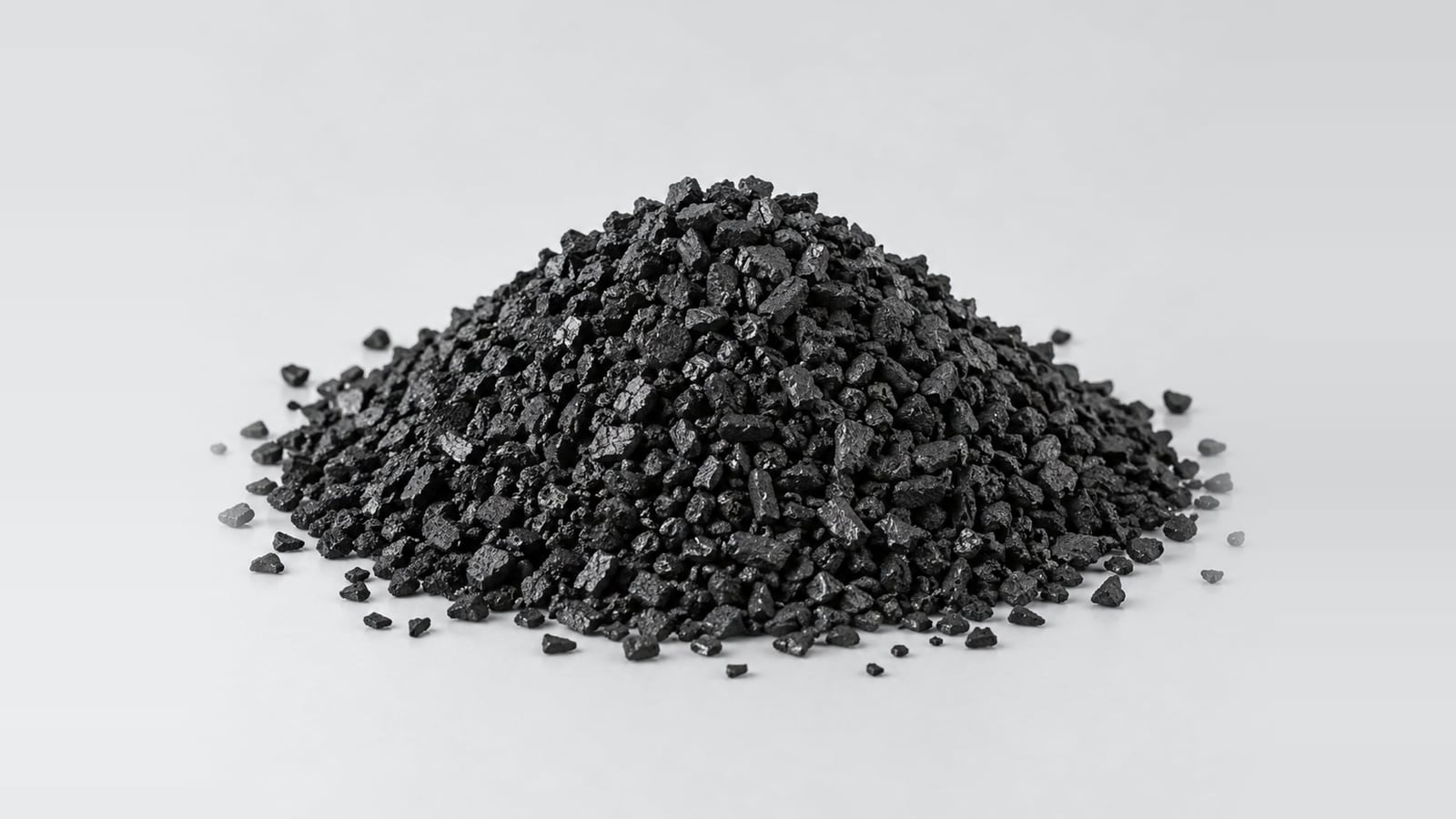
| Granular (GAC) | Powdered (PAC) | |
|---|---|---|
| Form | Granules, sized by mesh | Fine powder |
| How it is used | Packed into a filter vessel or column; the liquid or gas flows through the bed | Mixed into the liquid, stirred for a set contact time, then removed |
| Equipment needed | A filter vessel or column | A tank or reactor with mixing, and a filter or settling stage |
| Best suited to | Continuous, steady-state treatment | Batch processes, or dosing that changes with conditions |
| Flexibility | Fixed once the bed is loaded | Dose can be started, stopped or adjusted |
| Separation | None needed; the carbon stays in the vessel | Filtration, often with a filter aid, or settling |
| When spent | Replaced, and often reactivated | Usually disposed of with the filter cake |
| Typical uses | Water filters, effluent polishing, process liquid columns, air and gas beds | Decolourising solutions and reaction masses, water treatment dosing, syrup and oil purification |
What activated carbon removes, and what it doesn't
Activated carbon is most effective on dissolved organic compounds, including many that cause colour, taste and odour, and on residual chlorine in water. It is also widely used for organic vapours and odours in air and gas.
It is not the right tool for most dissolved salts, hardness or many metals. Those need other treatment steps, which is why carbon is usually one stage in a process rather than the whole of it.
Parameters worth knowing
- Iodine value
- An indicator of the carbon's capacity for small molecules. Often used as a general measure of activity.
- Methylene blue value
- An indicator of capacity for larger molecules, and often more relevant for decolourisation.
- Particle size (mesh)
- Affects flow, pressure drop and how quickly adsorption happens. Critical for GAC in filter vessels.
- Ash content
- The mineral, non-carbon fraction. Lower ash matters in pharmaceutical and other sensitive processes.
- Moisture
- Water content as supplied. It affects how much carbon you are actually dosing by weight.
- pH
- The effect the carbon has on the pH of the liquid it treats.
- Hardness
- How well granules resist breaking down in use, especially in beds that are backwashed.
Technical specifications for each grade are available on request.
Activated carbon supplier in Mumbai, since 1998
Harshil Enterprises is an activated carbon supplier based in Sion, Mumbai. Since 1998 we have supplied granular and powdered activated carbon to industrial customers in water treatment, pharmaceuticals, bulk drugs, agro processing, dairy and other industries.
To get a quote, tell us the form you need (granular or powdered), your application, any specification you already work to, the quantity and the delivery location. We will suggest suitable grades, share technical data on request, and confirm price, packaging and delivery terms in the quote.
Choosing activated carbon
Still unsure? Call +91 98205 22171.
Should I use GAC or PAC?
If you have a filter vessel and a continuous flow, granular carbon is usually the better fit. If treatment is batch-wise, or only needed some of the time, powdered carbon is usually simpler. Tell us about your process and we will suggest the form and grade.
Can the same carbon be supplied in both forms?
Activated carbon is made in both granular and powdered forms, but grades are specified separately for each. We match the grade to how you will use it.
What is the difference between washed and unwashed PAC?
Washed PAC is treated with acid and water after activation to reduce ash and soluble matter. It is used where purity matters, such as pharmaceutical processing. Unwashed PAC suits applications where standard purity is sufficient.
Which parameters should I specify?
At minimum, the form and particle size, plus the activity measure relevant to your application (iodine value or methylene blue value), ash and moisture. For GAC in filters, add hardness.

Tell us about your process
Share what you need to remove, from what, and the equipment you use. We will suggest the form and grade of activated carbon to evaluate.