Quick answer
What is activated carbon?
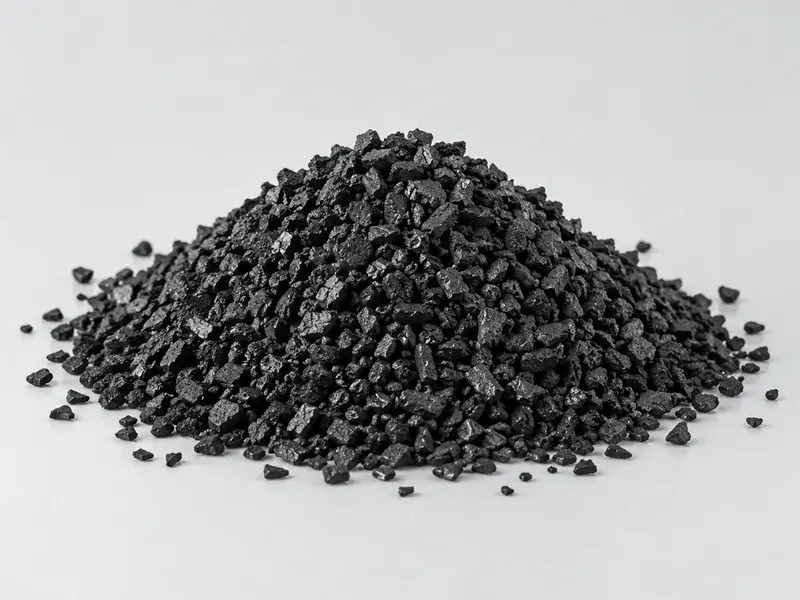
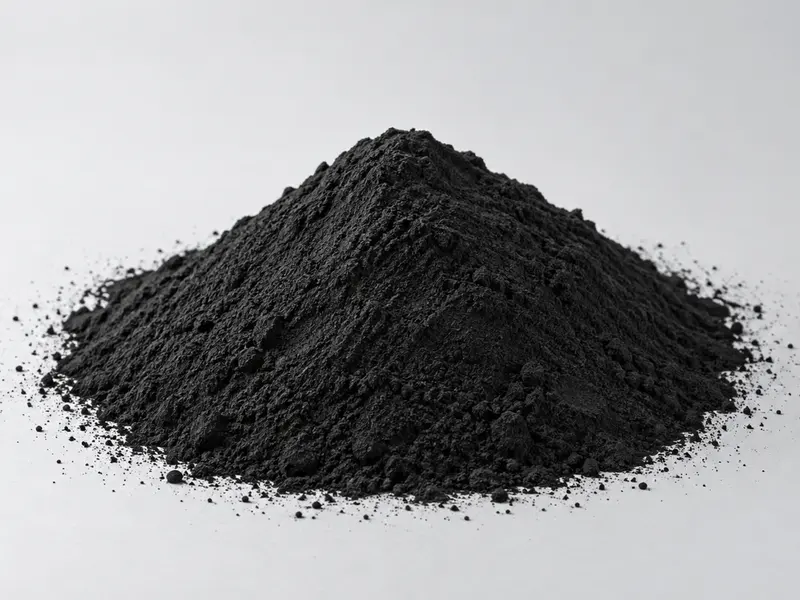
Activated carbon is a carbon material processed to have a vast network of internal pores. Impurities such as organic compounds and chlorine are held on the pore surfaces by adsorption. It is supplied as granules (GAC) for filters or as powder (PAC) for dosing.
Activated carbon is a form of carbon processed to create an extensive network of tiny internal pores. Those pores give it a very large internal surface: a single gram can hold hundreds of square metres of surface. That surface is what makes activated carbon useful for purification.
How it is made
Activated carbon starts as a carbon-rich raw material, commonly coconut shell, coal or wood. The material is first carbonised, then activated, either with steam or gases at high temperature or with chemicals. Activation opens up and enlarges the pore network.
The raw material and activation method shape the final pore structure, which is one reason different grades behave differently in use.
How it works: adsorption
Activated carbon works by adsorption, not absorption. Molecules in the water, liquid or gas are attracted to the carbon's internal surface and held there. The carbon does not soak the liquid up like a sponge; it holds impurities on its pore walls while the cleaned liquid moves on.
Adsorption works best for organic compounds, including many that cause colour, taste and odour, and it also removes residual chlorine from water. It is far less effective for most dissolved salts and minerals, which is why activated carbon is one step in a treatment process rather than the whole process.
Granular and powdered forms
Activated carbon is supplied mainly as granules (GAC) or as a fine powder (PAC). Granules sit in a filter bed that the liquid flows through. Powder is mixed into the liquid and then removed. The choice depends mostly on whether treatment is continuous or batch. Our guide to GAC vs PAC covers this in more detail.
When the carbon is used up
The internal surface is finite. As it fills, the carbon removes less, and eventually it needs replacing. Powdered carbon is usually used once and removed with the filter cake. Granular carbon can often be reactivated for reuse, depending on what it has adsorbed.
Where it is used
- Drinking water, process water and effluent treatment
- Decolourisation and purification in pharmaceutical and bulk drug manufacture
- Sugar, edible oil and food processing
- Air and gas purification and odour control
- Chemical and process purification
Need help choosing?
Tell us about your application and we will suggest suitable products and grades.