Quick answer
How is activated carbon used in pharmaceutical processing?
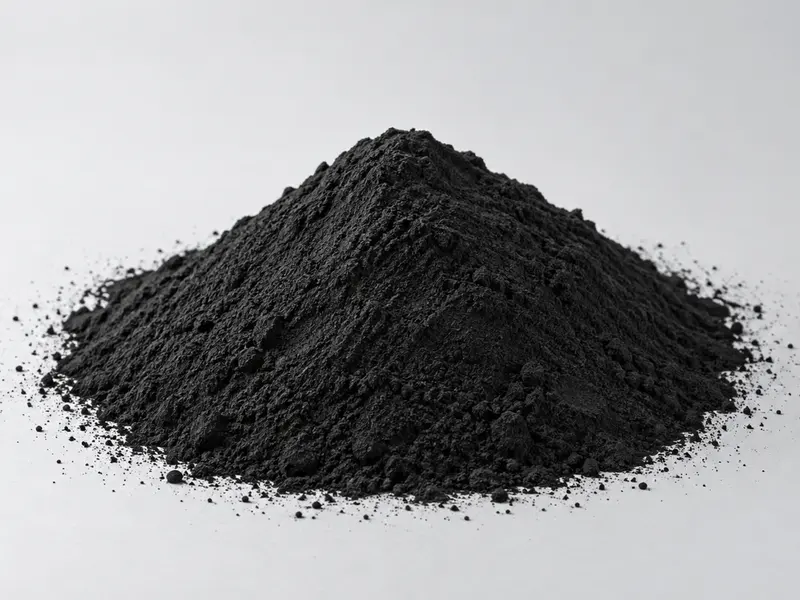
In pharmaceutical and bulk drug processing, powdered activated carbon, usually a washed grade, is stirred into a solution to remove colour and trace impurities, then filtered out with the help of a filter aid.
Many pharmaceutical and bulk drug processes include a carbon treatment step. Activated carbon removes colour bodies and trace impurities from solutions of intermediates and active ingredients, helping the product meet its purity requirements.
The carbon treatment step
In a typical step, powdered activated carbon is charged into the solution or reaction mass and stirred for a set time, often at a controlled temperature. Impurities adsorb onto the carbon. The carbon is then filtered out, leaving a purified solution for the next stage.
Why washed carbon is used
Carbon contains some ash and soluble matter. For pharmaceutical use, washed grades are common: the carbon is washed with acid and water after activation to reduce ash and soluble impurities that could otherwise pass into the product.
Filtering the carbon out
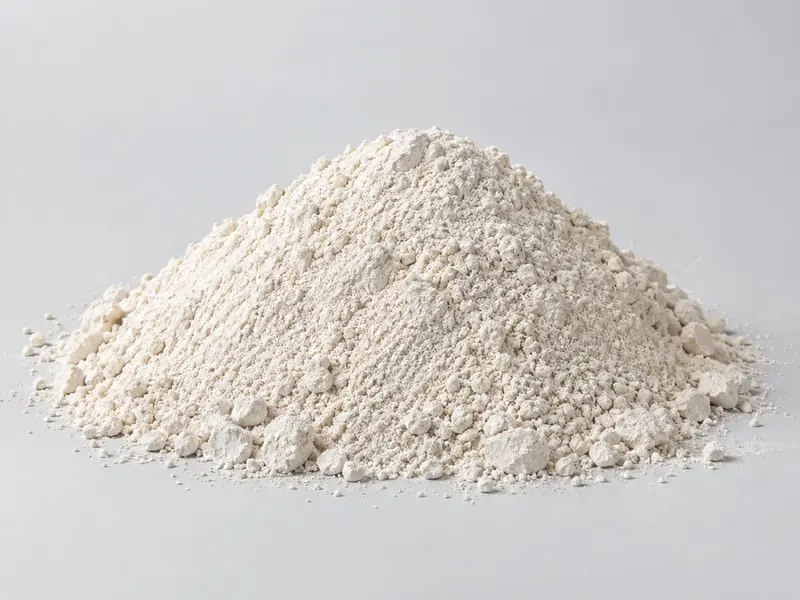
Powdered carbon is fine, and incomplete removal can carry carbon particles into the product. Filter aid used as a precoat, and sometimes as body feed, helps trap fine carbon while keeping filtration rates steady on nutsche filters, filter presses and sparkler filters.
What to consider
- The solvent, temperature and pH of the process
- The impurities to be removed
- Ash and soluble matter limits
- Consistency between supplies, so the step stays repeatable
- Documentation required for the grade
Need help choosing?
Tell us about your application and we will suggest suitable products and grades.