Quick answer
What does activated carbon remove from water?
Activated carbon removes organic compounds, residual chlorine, taste, odour and colour from water, either as granules in filter vessels or as powder dosed ahead of clarification. It does not remove most dissolved salts or hardness.
Activated carbon is one of the most widely used materials in water treatment. It removes dissolved organic compounds and residual chlorine, and it is a common answer to problems of taste, odour and colour.
What activated carbon removes
- Organic compounds, including many that cause taste, odour and colour
- Residual chlorine
- Many pesticides and other organic micropollutants
What it does not remove well
Activated carbon is not a solution for most dissolved salts, hardness or many metals. Those need other steps, such as softening, ion exchange or membranes. Activated carbon is usually one stage within a wider treatment train.
GAC filters
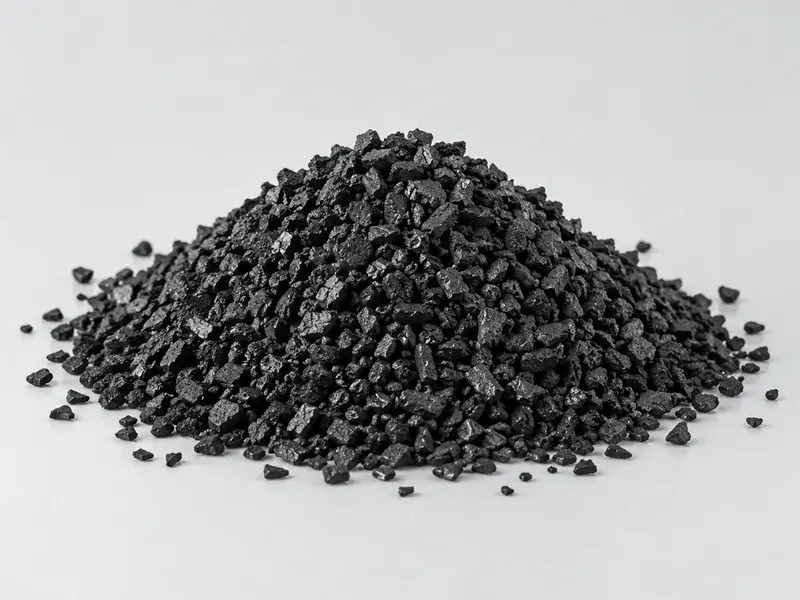
In most plants, activated carbon is used as granules in pressure or gravity filters. Water flows through the carbon bed continuously. The key design considerations are the contact time between water and carbon, the granule size and the flow rate. Over time the carbon becomes saturated and is replaced or reactivated.
PAC dosing
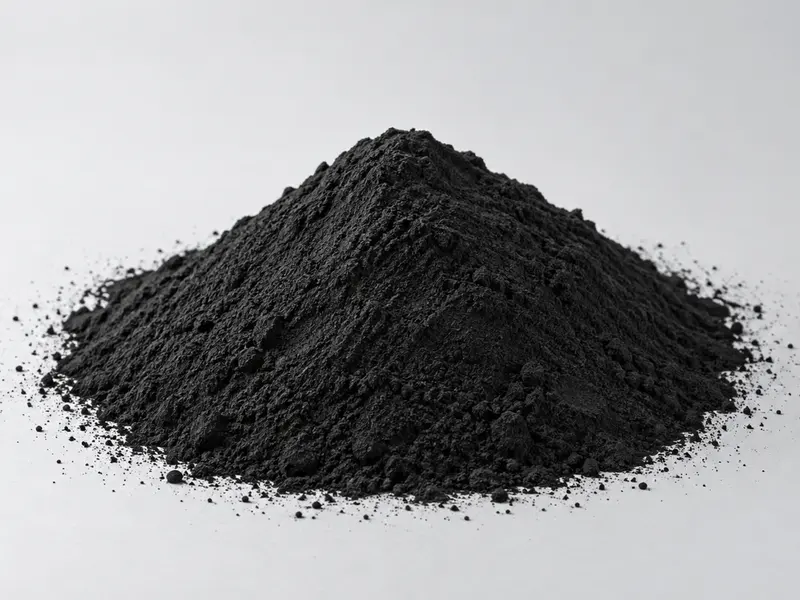
Powdered carbon is dosed into the water, usually ahead of clarification or filtration, where it is removed with the other solids. It is useful for seasonal or intermittent problems because the dose can be adjusted or stopped.
Related products in water treatment
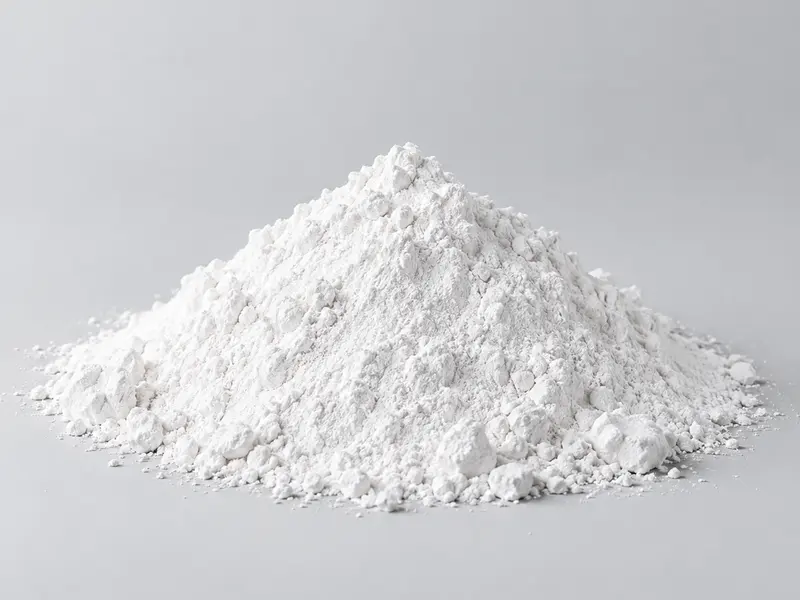
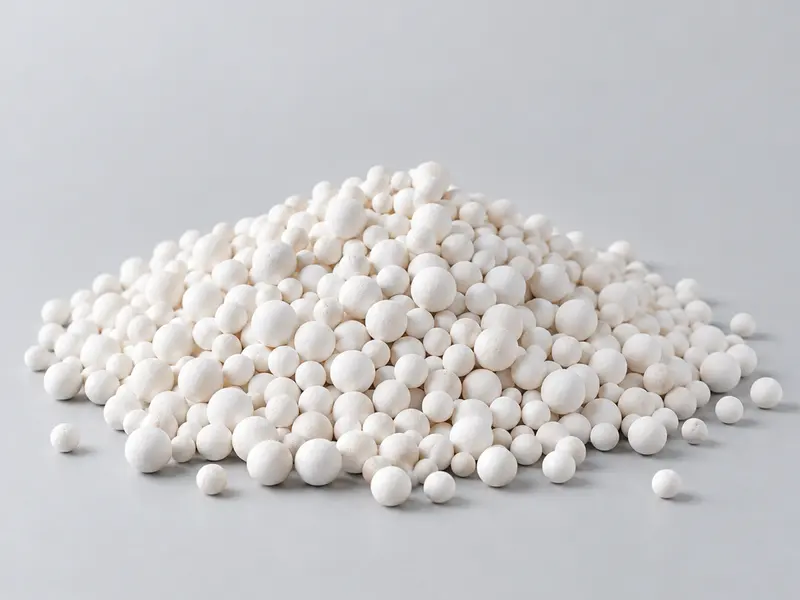
Hydrated lime is used to correct pH, soften water and reduce corrosiveness. Activated alumina is used to reduce fluoride in drinking water.
Selecting a grade
- What needs removing, and the starting and target levels
- Continuous filter or dosing system
- Filter vessel size, flow rate and contact time
- Parameters such as iodine value, particle size, hardness and ash
Need help choosing?
Tell us about your application and we will suggest suitable products and grades.