Application 01
Decolourisation and Purification
Colour and trace organic impurities in a solution can put a product out of specification, even when the main compound is correct.
Quick answer
How does activated carbon remove colour?
Colour in a solution usually comes from large organic molecules. Activated carbon adsorbs these onto its internal pore surfaces. The carbon, now holding the colour bodies, is filtered out, leaving a decolourised liquid.
How it works
Colour bodies are usually large organic molecules. Activated carbon holds them on its internal pore surface by adsorption, so they come out of solution and stay on the carbon.
In batch processes, powdered carbon is charged into the liquid, stirred for a set contact time and filtered out. In continuous processes, the liquid passes through a column of granular carbon.
- 01
Charge
Powdered carbon is added to the solution.
- 02
Contact
Stirred for a set time, often at a controlled temperature.
- 03
Filter
Carbon is removed, usually with a filter aid.
- 04
Clear liquor
The decolourised solution moves to the next stage.
Products used for decolourisation
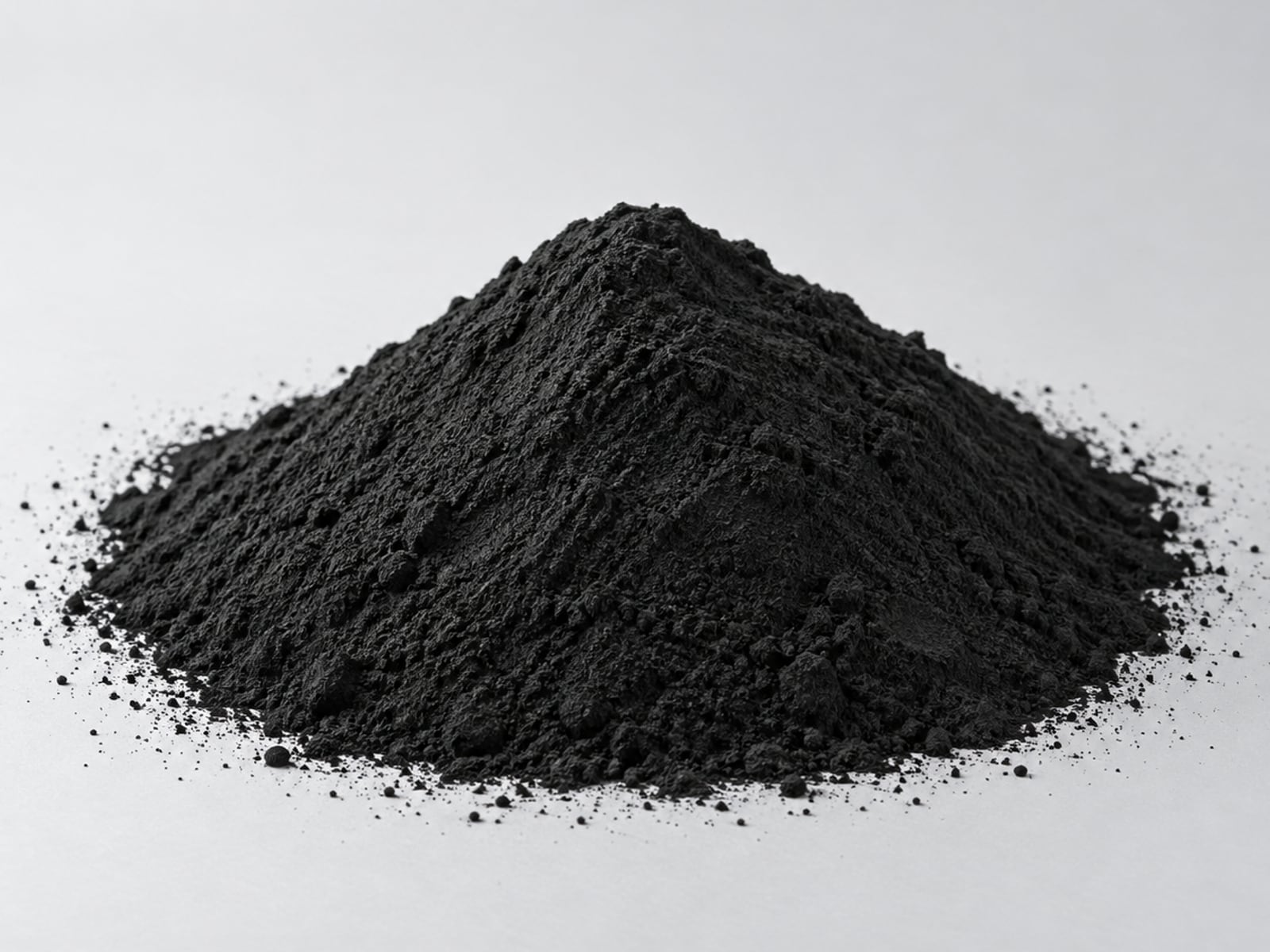
Powdered Activated Carbon
Fine activated carbon dosed directly into liquids for rapid adsorption, then removed by settling or filtration. Washed and unwashed grades.
View product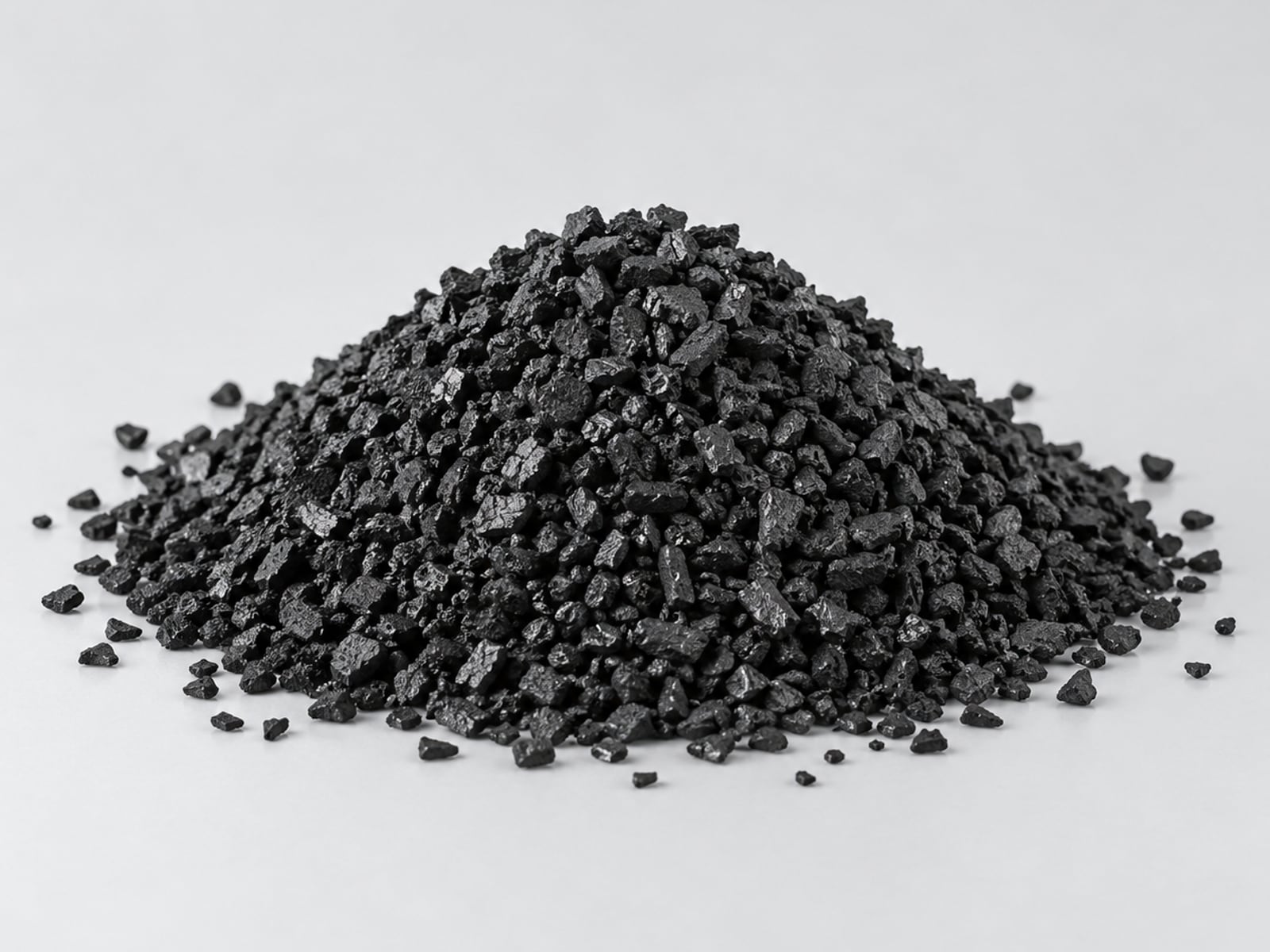
Granular Activated Carbon
Activated carbon in granular form, for fixed beds and filters where water, liquids or gases pass through continuously.
View product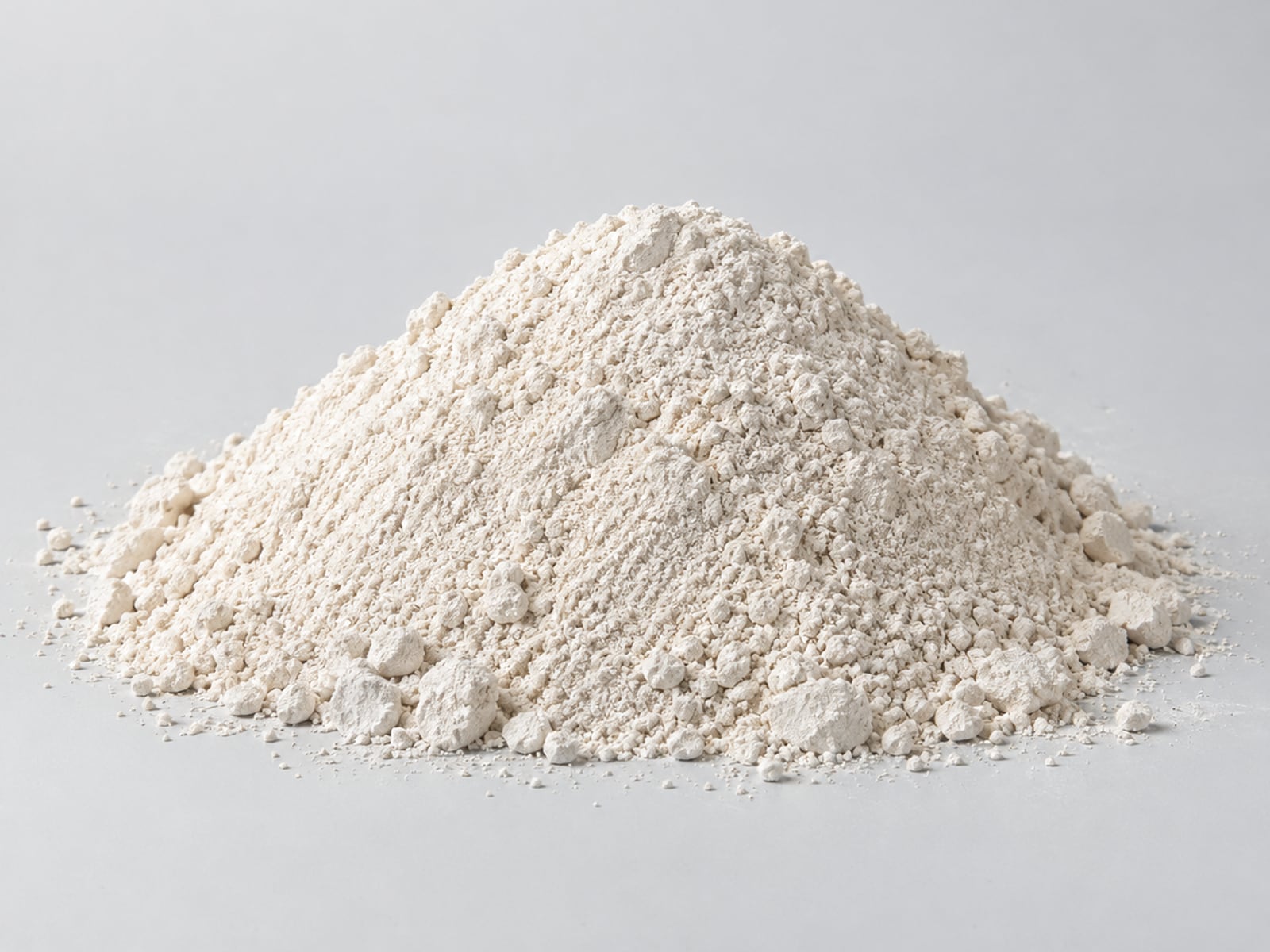
Filter Aid Powder
Imported filter aid that builds a porous cake on the filter, for clearer filtrate and steadier filtration.
View product


What to consider
- Nature of the colour bodies and impurities
- Solvent, temperature and pH of the process
- Washed carbon where low ash and soluble matter matter
- How the carbon will be filtered out
Industries


Decolourisation and Purification: common questions
Which activated carbon is best for decolourisation?
Powdered carbon with a good capacity for large molecules, often indicated by its methylene blue value, is commonly used. The best grade for your liquid is confirmed through trials.
Do temperature and contact time affect decolourisation?
Yes. Contact time, temperature and pH all affect how well carbon adsorbs impurities, which is why they are controlled in each process.

Discuss your decolourisation requirement
Tell us about your application and requirements. Our team will help you identify the appropriate product for your needs.
Next application
Water Purification