Quick answer
What is the difference between activated alumina and activated carbon?
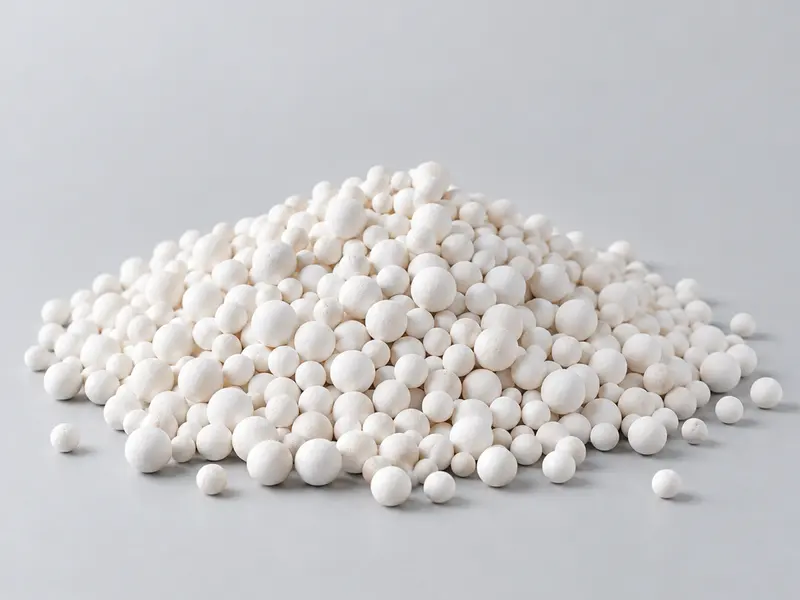
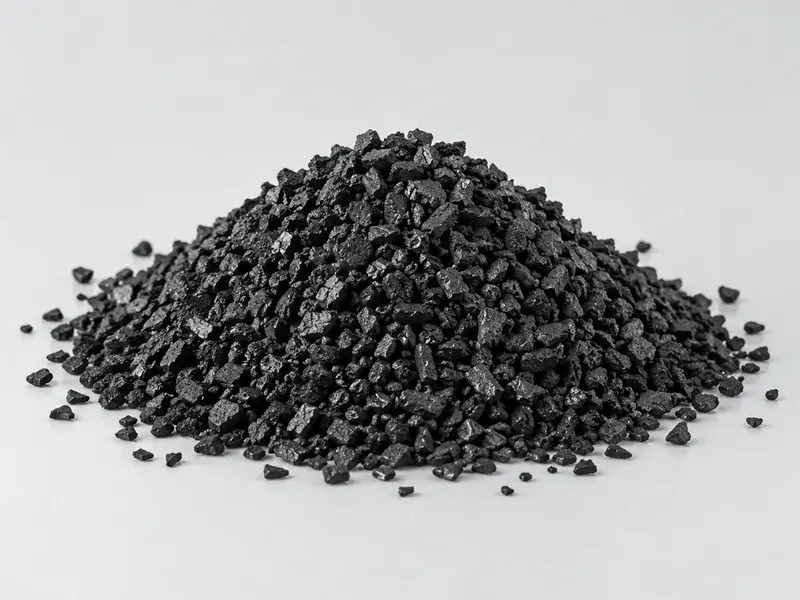
Activated alumina (aluminium oxide) attracts water and some ions such as fluoride, so it is used for drying and fluoride removal. Activated carbon attracts organic compounds and chlorine, so it is used for purification, decolourisation and odour control.
Both materials are porous adsorbents with large internal surfaces, and both are used in packed beds. Their chemistry is different, so they attract different substances and are chosen for different jobs.
At a glance
| Activated alumina | Activated carbon | |
|---|---|---|
| Material | Aluminium oxide | Carbon |
| Attracts | Water and polar compounds, some ions such as fluoride | Organic compounds, chlorine |
| Typical uses | Air and gas drying, fluoride removal | Water purification, decolourisation, odour control |
| Usual form | Spherical balls | Granules or powder |
| Regeneration | Heat or purge (drying), chemical (defluoridation) | Reactivation for granular carbon |
Where activated alumina fits
Activated alumina is a common desiccant in compressed air and gas dryers, and a recognised medium for reducing fluoride in drinking water.
Where activated carbon fits
Activated carbon is the standard choice for removing organic compounds, taste, odour, colour and chlorine from water and process liquids, and for gas phase odour control.
Using both
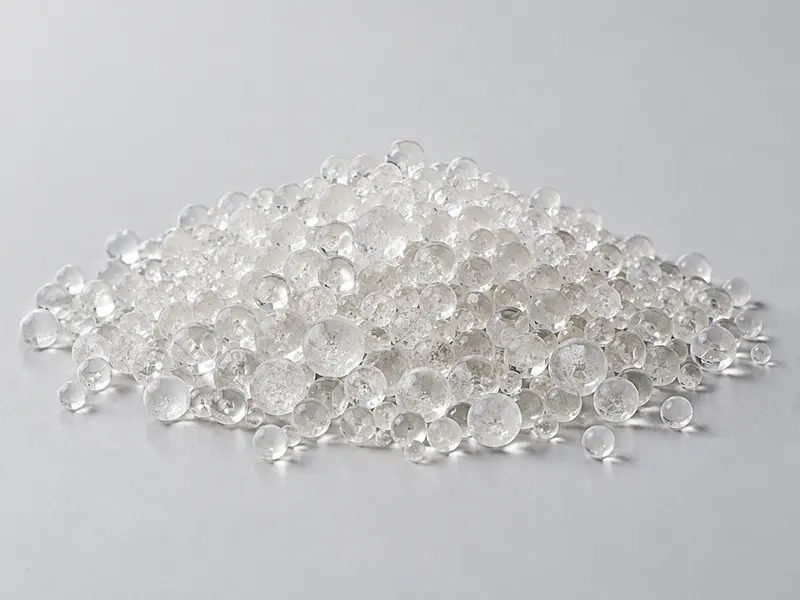
Some treatment systems use both: activated carbon for organics and activated alumina for fluoride. Silica gel is another desiccant option alongside activated alumina, and the better choice depends on operating conditions.
Need help choosing?
Tell us about your application and we will suggest suitable products and grades.