Quick answer
How do I choose the right activated carbon?
Start by defining what must be removed, from what, and whether the process is continuous or batch. Then compare grades on iodine value, methylene blue value, particle size, ash, moisture, pH and hardness, and confirm the choice with trials.
There is no single best activated carbon. The right grade depends on what you need to remove, from what, and how your process runs. These are the questions and parameters that usually decide it.
Start with the application
- What needs removing: colour, odour, chlorine, specific organics?
- What is it in: water, a solvent, a syrup, a gas?
- Is the process continuous or batch?
- What equipment is available: filter vessel, reactor, filter press?
Form: granular or powdered
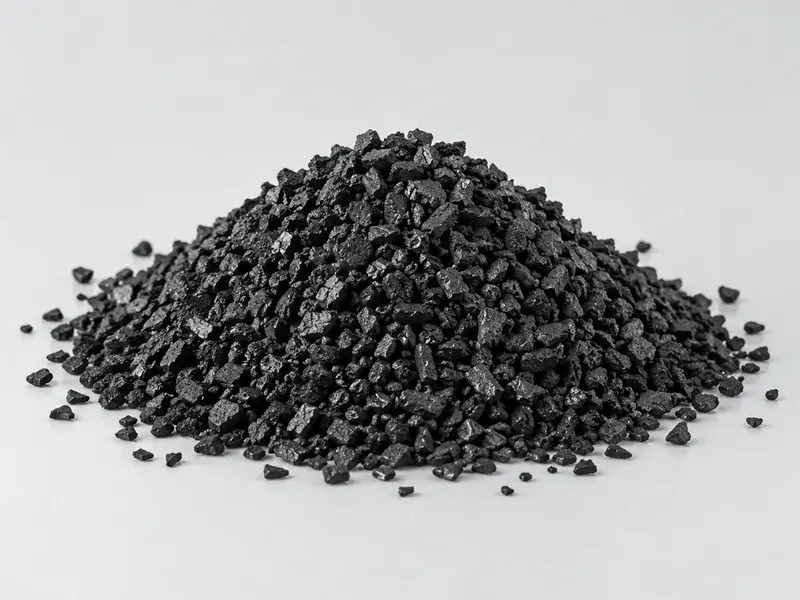
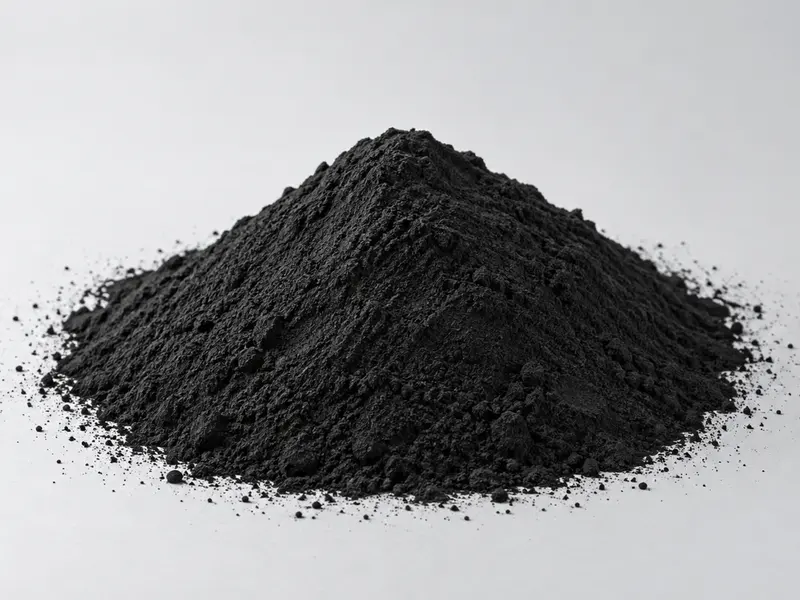
Continuous processes with a filter vessel usually use granular carbon. Batch processes and variable dosing usually use powdered carbon.
Parameters on a data sheet
- Iodine value: an indicator of the carbon's capacity for small molecules
- Methylene blue value: an indicator of capacity for larger molecules, often relevant to decolourisation
- Particle size or mesh: affects flow, pressure drop and rate of adsorption
- Ash content: the non-carbon mineral fraction; lower ash matters in sensitive processes
- Moisture: affects the carbon content of what you receive
- pH: the effect the carbon has on the liquid it treats
- Hardness: resistance of granules to breaking down in use
Test before committing
For purification and decolourisation, small trials with the actual process liquid are the most reliable way to compare grades and settle a dose.
Ask for help
Tell us about your process and we will suggest grades to evaluate and share technical data on request.
Need help choosing?
Tell us about your application and we will suggest suitable products and grades.